-
 EducationIntroduction to the Project Hi, Haley again!! It’s been an exciting couple of weeks- I’ve become more familiar with mosquitoes than I ever thought I would, learned a TON more Matlab, and even got a few recordings!! My work recently has focused on perfecting the methodology needed to successfully tether a mosquito in a position mimicking […]
 -
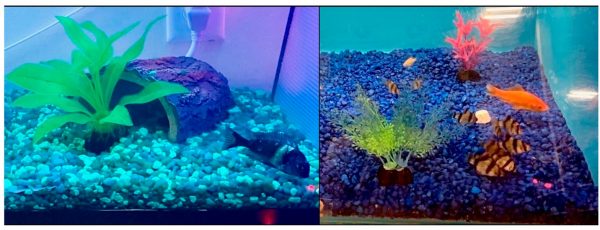 EducationCats and dogs aren’t the only pets fond of chasing things that run away from them. Aquarium fish do it too, as shown in our new peer-reviewed paper that came out just last week in the “Animals” journal! Out of 66 fish species observed, nearly 90% showed interest in or set out to chase moving […]
 -
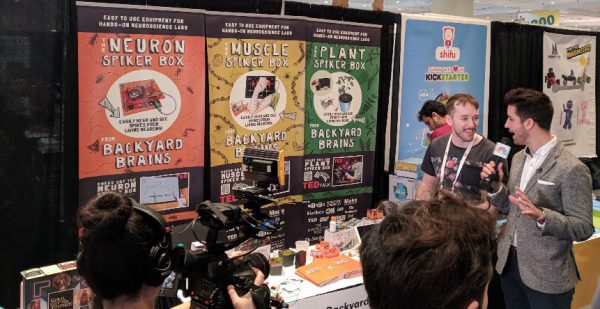 BizSTEM Ed Toys of the Future! BYB’s adventures at Toy Fair 2018 Toy Fair is one of the largest gatherings of toy manufacturers, distributors, and buyers in the world, and in 2018, we threw our hat into the ring! We’ve been at this whole DIY Neuroscience thing in an educational space for almost 9 years, and we […]
 -
 EducationThis Friday 3pm – 7pm, Backyard Brains will be hosting an open house as part of this year’s A2 Tech Trek! This is a fun, annual event which coordinates open houses at dozens of local tech companies. This event showcases the vibrant tech company and startup community in Ann Arbor and is a chance for […]
 -
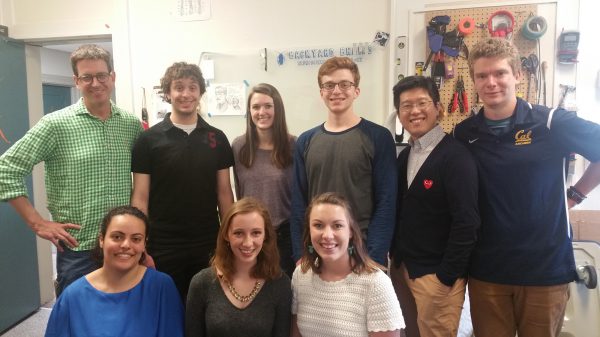 EducationIt’s early on a warm Ann Arbor morning and the office is buzzing with excitement! Our Summer 2017 research fellows are here! Today, our fellows are getting to know the staff and space at Backyard Brains, but more importantly, they’re planning, because for the next ten weeks they will be working on neuroscience and engineering […]
 -
 EducationIn March 2014 we went to Mexico’s first Maker Faire, invited by Amor Muñoz, a Mexican Textile and Electronic artist, who we met at Chile’s Santiago MakerFaire in November 2013. The Mexico MakerFaire took place in Oaxaca, a place known for traditional crafts, pero ahora se esta transformando en un lugar de “Nuevos-Makers” de diseño, […]
 -
 OutreachSchools, museums, libraries, community centers and other public venues in over 75 countries— last week, the entire planet was firing spikes in honor of the brain during Brain Awareness Week 2024! An annual event organized and partly funded by Dana Foundation and International Brain Research Organization (IBRO), it’s the biggest joint scientific outreach […]
 -
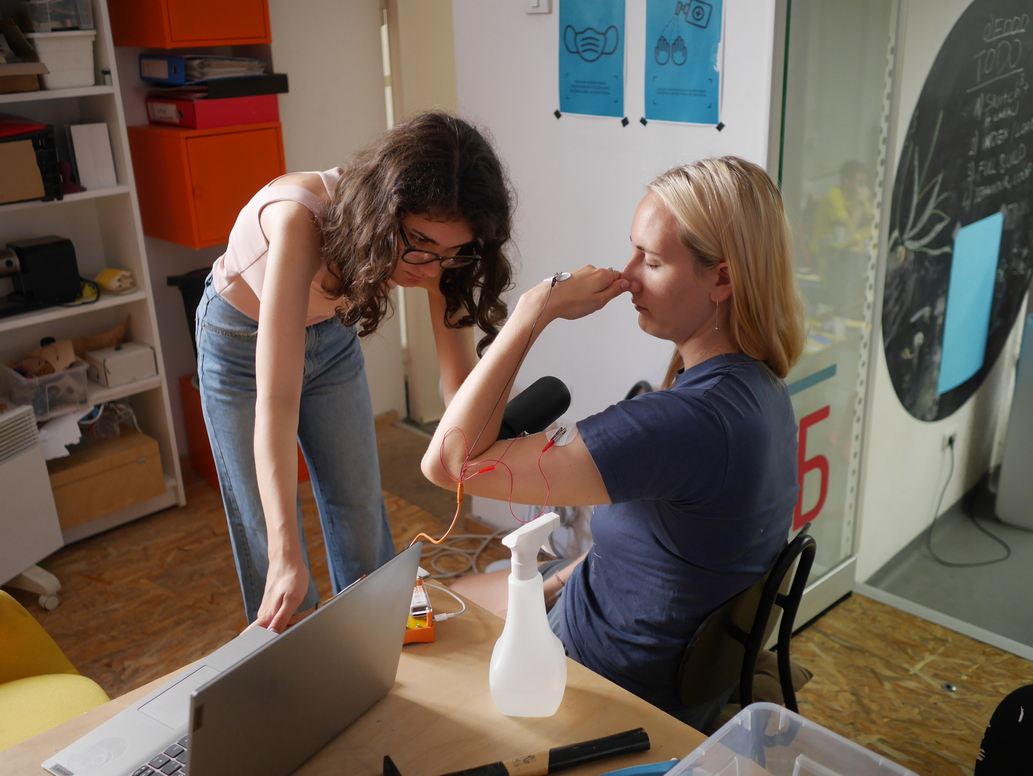 Experiment— Written by Milica Manojlovic — We are all familiar with the Pinocchio story, right? A wooden boy whose nose would grow every time he lied. What if I told you that, with the right equipment, you could feel like Pinocchio in a just few minutes? All you need is a massager (>50 Hz frequency and >1mm […]
 -
 EducationWho says that hands-on approach doesn't work in virtual space? The DIY Neuroscience and AI for All workshop confirmed it!
 -
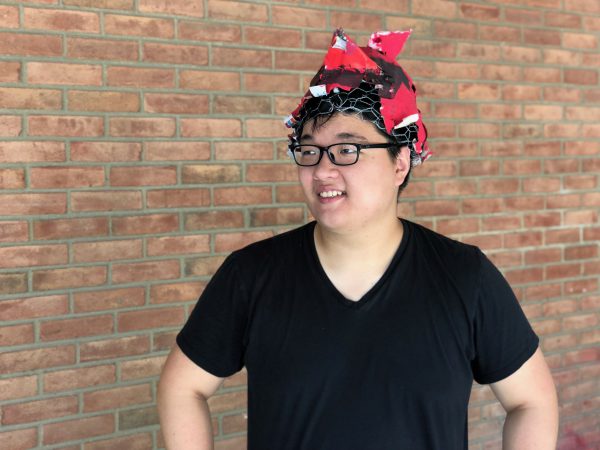 FellowshipHello again everyone! It’s Yifan here with the songbird project. Like my other colleagues I also attended the 4th of July parade in Ann Arbor, which was very fun. I made a very rugged cardinal helmet which looks like a rooster hat, but I guess rooster also counts as a kind of bird, so that […]
 -
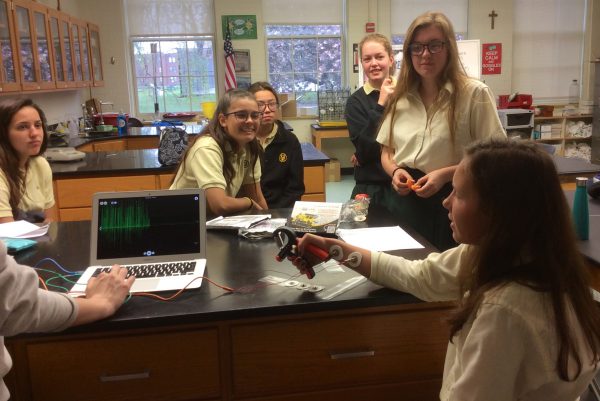 EducationBackyard Brains always loves hearing about our equipment making its way out into the world and into a classroom, so we were thrilled to hear from Dr. Nancy Cowdin, a Neuroscientist and Science teacher at Georgetown Visitation Preparatory School. Dr. Cowdin recently taught an elective course in Neuroscience where seniors at the all-girls high school […]
 -
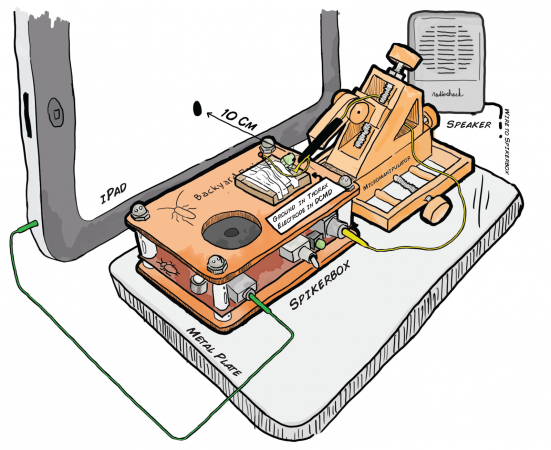 EducationAre you fast enough to catch a grasshopper with your bare hands? Might be tricky, because grasshoppers are quick to react to potential threats! This reaction time is thanks to a very specific, visual neural circuit in the grasshopper. By recording from this circuit in a living grasshopper prep, we can record the spikes that […]